


Alojamento Local in Portugal is entering a new regulatory phase following the recent amendments to the legal framework established by Decree-Law 128/2014, which was updated in late 2024 through Decree-Law 76/2024. Although this is not an entirely new law, the reform significantly reshapes how the sector operates, particularly in matters related to noise, neighbour relations and building coexistence. The revised framework gives both condominiums and municipal authorities stronger tools to intervene in cases of serious and recurring disturbances and reinforces the need for tourist accommodation operators to rely on preventive measures supported by verifiable data.
From 2025 onwards, the ability to demonstrate responsibility, compliance and proactive prevention becomes essential for any Alojamento Local owner or manager looking to safeguard their AL registration.
The Three Ways a Condominium Can Act Against an Alojamento Local
The updated framework maintains three mechanisms through which a condominium may react to the presence of tourist accommodation. While the first two apply mainly to new registrations, the third mechanism can directly affect any Alojamento Local already in operation.
1) A prohibition introduced before the condominium is officially created
2) A restriction introduced after the condominium is established, applicable only to new AL registrations
3) A request for the cancellation of an AL registration due to serious and recurring disturbances
Under this third option, the condominium assembly—representing more than 50% of the building’s permillage—may approve a deliberation requesting the municipality to cancel the AL registration. The request must include:
- The causes of the conflict
- Evidence supporting the complaint
- A documented record of recurring disturbances (most commonly related to noise)
Once received, the municipality evaluates the case and decides whether there is sufficient basis to initiate a cancellation procedure.
This mechanism allows a condominium to request the cancellation of an Alojamento Local registration when there is repeated and proven disturbance that affects the normal use of the building. Excessive noise is one of the situations most commonly associated with these disputes. After reviewing the documentation, the municipality determines whether to proceed with the cancellation process.

A Municipality with More Power: Mediation, Verification and Agreements
One of the most relevant changes introduced by the reform concerns the strengthened role of the municipal authorities under Article 9. Before issuing a cancellation decision, the president of the municipal council can now resort to additional mechanisms of verification and mediation.
Decree-Law 76/2024 also allows municipal regulations to include the figure of a “provedor do alojamento local” — a local accommodation ombudsman. This mediator is not mandatory but can be established by each municipality to help manage conflicts between AL owners, neighbours and condominium boards.
The reform also introduces an alternative to cancellation: the municipality may invite the parties to reach an agreement based on commitments and conditions (Article 9, paragraph 12). If such an agreement is viable, the procedure may be closed without cancellation.
Within this framework, municipalities may suggest or require concrete corrective measures — including occupancy limitations, internal rules, or even the use of noise monitoring systems to verify whether disturbances are real and whether they are being corrected over time.
What This Updated Framework Means for Alojamento Local Owners and Managers
The reform sends a clear signal: prevention, transparency and documented evidence are becoming essential in the AL sector. Municipalities will now base their assessments on objective data, placing greater responsibility on owners to avoid situations that could escalate into serious disturbances.
For owners and managers, this means operating more professionally and relying on technology that enables early intervention. Being able to demonstrate that proactive measures were taken — or that an incident was resolved quickly — can prevent the opening of a cancellation procedure.

How Roomonitor helps protect the registration of an Alojamento Local
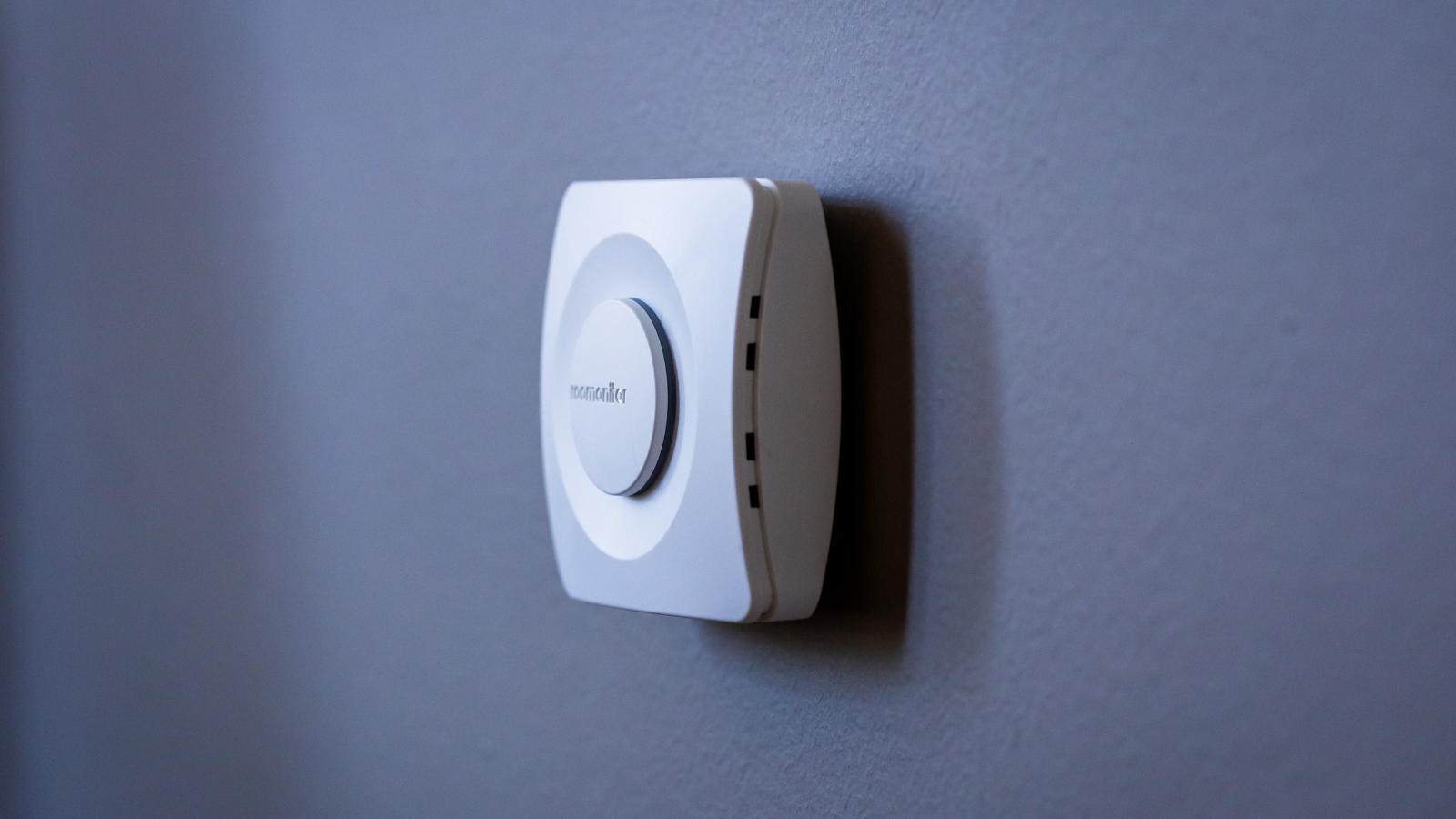
In this updated regulatory landscape, solutions like Roomonitor fit naturally into the expectations of the law: providing objective data, demonstrating good faith towards neighbours and facilitating agreements with the municipality before a cancellation procedure is triggered.
Real-time noise monitoring allows owners and managers to detect issues early and act immediately — through automated alerts, calls or on-site intervention — preventing situations from escalating into serious and recurring disturbances.
In the event of a municipal mediation, Roomonitor’s historical reports and noise logs offer clear, auditable evidence of how the accommodation is being managed. This can demonstrate the absence of excessive noise or show that any isolated incident was resolved rapidly and effectively.
Properties equipped with continuous monitoring are better positioned to avoid conflicts, protect their AL registration and maintain harmonious coexistence within the condominium.
The Impact of the Reform on Professional Alojamento Local Management
The amendments introduced by Decree-Law 76/2024 require the Alojamento Local sector to adopt more precise and transparent management tools. Noise monitoring provides an essential layer of regulatory and operational security, helping owners and managers demonstrate compliance in an increasingly demanding environment.
Additionally, Roomonitor offers a dedicated Night Agents team to monitor noise alerts in real time, allowing operators to reduce overnight operational costs and outsource late-hour supervision when needed.