


In an increasingly regulated and competitive landscape, short-term rental operators face the challenge of maintaining profitability without losing operational efficiency. In this context, data-driven decision-making has become a key competitive advantage.
Understanding real market behaviour — how occupancy, pricing, and length of stay evolve — allows property managers to anticipate demand and fine-tune their commercial strategy with precision.
Through its dynamic pricing technology, Beyond has partnered with Roomonitor to create a new report offering an up-to-date view of Scotland’s short-term rental sector. The report combines real performance data with insights into traveller behaviour and booking trends across the country.
The goal: to help property managers and hosts maximise revenue, optimise resources, and enhance the guest experience through informed decision-making.
A Market in Transition
Scotland’s short-term rental market is showing strong signs of recovery and stabilisation, even as new local regulations reshape the sector. The combination of shorter booking windows, changing guest patterns, and new seasonal behaviours makes adaptability the new rule of the game.
Reports like this one — produced by Roomonitor and Beyond — have become a strategic tool for property managers operating in markets such as Edinburgh, Glasgow, and Aberdeen, where demand curves, pricing behaviour, and booking pace vary significantly from season to season.
How is ADR performing across Scotland?
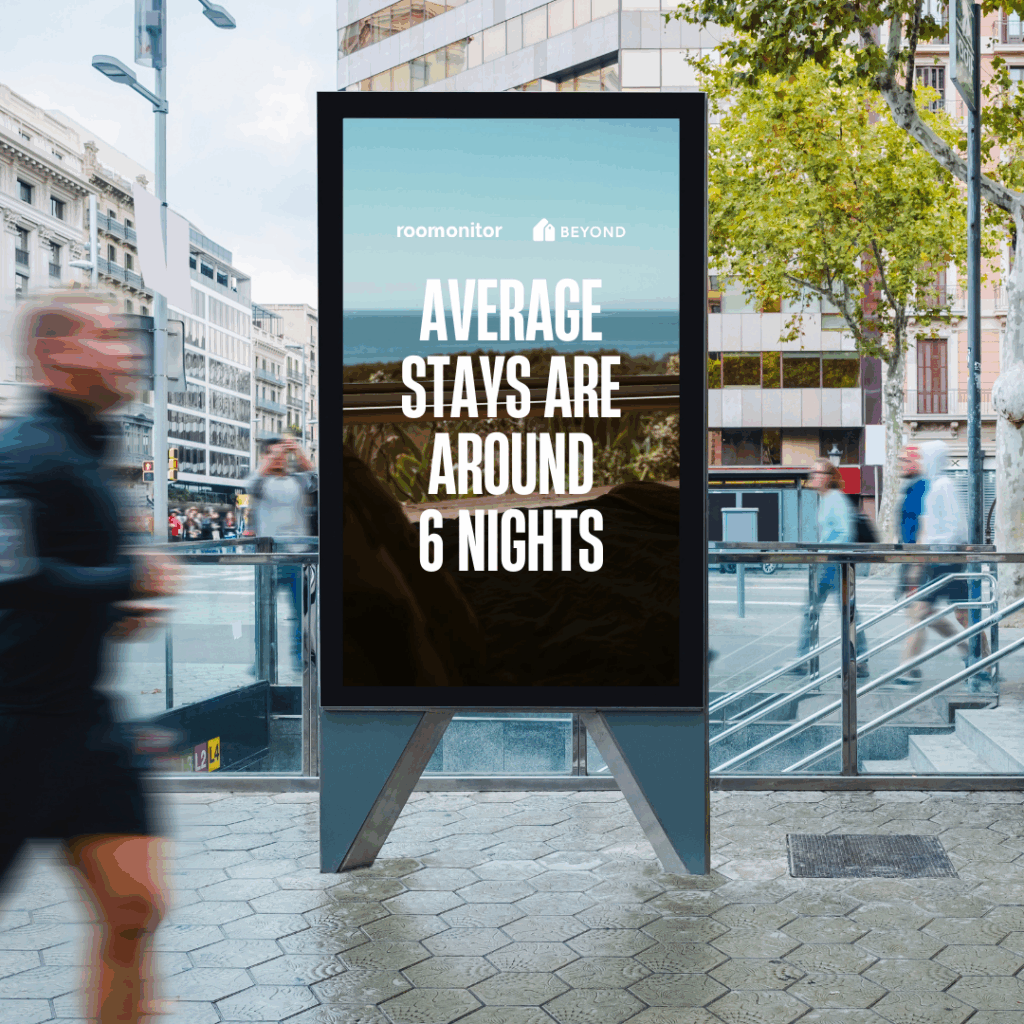
Scotland overall shows a healthy recovery with an average occupancy rate of 55% — up +2% vs. 2024 — and a strong ADR of £178, marking a +19% increase compared to last year. The average length of stay sits at 5.9 days with a booking window of 26 days, meaning proactive pricing is key to capturing last-minute demand.
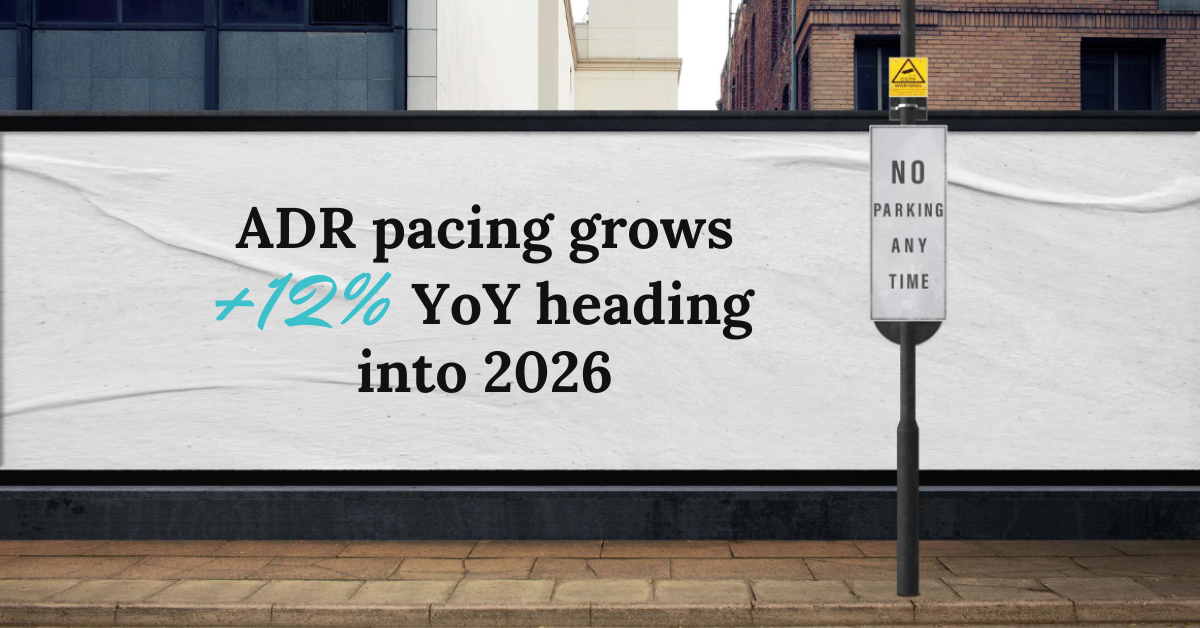
In Edinburgh, occupancy remains stable at 60%, while ADR reaches £229 (–5% YoY). Although pacing is slightly behind compared to last year, ADR for early 2026 is trending +15% higher — indicating potential for revenue growth during major events such as Scotland vs England and Six Nations.
Glasgow shows an upward trend with +2% in occupancy and ADR holding steady at £131. Events like the Spring Half-Term Holidays and Country Festival are key demand drivers. Pricing strategies should remain flexible to capitalise on these booking spikes.
Meanwhile, Aberdeen continues to consolidate, with occupancy up by +4% and ADR slightly down (–2%). However, ADR pacing is +24% ahead year-on-year, suggesting strong forward-looking revenue potential. Longer booking windows (42 days) highlight the need to balance early pricing with late-demand opportunities.
How to Improve Your Revenue Management Results
The 2025 report confirms that success in the short-term rental industry doesn’t just rely on occupancy or ADR — it depends on the ability to interpret and act on data. The study highlights three key practices to improve revenue performance:
- Adjust minimum stay rules based on guest behaviour to avoid blocking high-value bookings.
- Update your prices frequently, adapting them to your market’s booking window and event calendar.
- Base your decisions on local data to anticipate demand peaks and maximise RevPAN.
Property managers who leverage real-time insights — from property performance to evolving market demand — are those who grow sustainably and deliver a superior guest experience.
📊 Download the full report here.